Hello again! Today I will be doing a quick blog post about KQED’s Do Now Insects, found here.
This do now discusses the possibility of incorporating insects into our food and diet. As our water sources deplete, we need to look at alternative sources of protein, which includes insects. Farming meat and cows is what people traditionally want and consume, however, there is a great amount of water used. Because society has a stigma against eating insects and not “normal” foods, it is hard for people to accept eating insects.
I personally believe that it is a good idea and it will be able to be done on a small scale, however society as a whole will not switch. I would be ok with eating insects in a snack bar or an energy bar, but not as a meal. I feel like that wouldn’t be filling enough and I definitely do enjoy eating meats and fish.
Overall, eating insects is a good, innovative idea, however it is going to take a while to get everybody on board. The nutrients and benefits of eating insects are plentiful, but the social attitude will cause issues.
Thanks for reading and make sure to check out my other blog posts!
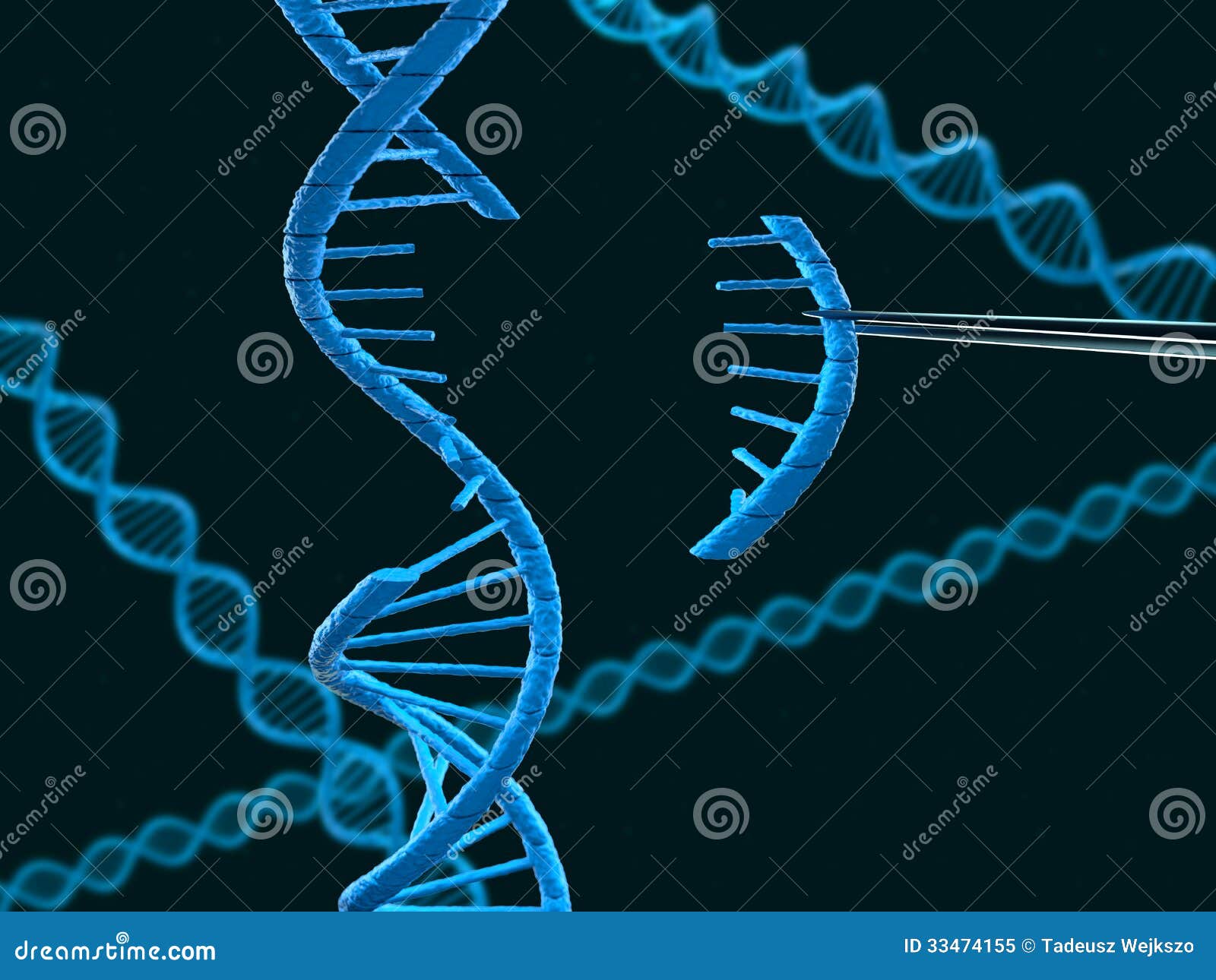
This do now discusses the new law passed in England that allows for “three-person babies,” which means that there can be an egg donor, a sperm donor and a donor for mitochondrial DNA, if the mother’s mitochondrial is defective and will result in an impaired or unhealthy baby. The do now addresses the morality of “three-peson babies” and DNA modification in general, whether it be to prevent health issues or for more cosmetic and less necessary reasons. The little blurb on the page discusses both opinions on the issue, those for DNA modification and those against it, providing insight for both sides.
I personally believe that mitochondrial DNA modification is morally acceptable and should be used if it prevents a disease in the child and if it extends their life. As long as the DNA modification is being done for health benefits, NOT cosmetic benefits, then I believe it should be allowed. The whole point of medicine is to extend their lifespan, and by modifying the embryos DNA, their life would, hopefully, be extended.
DNA modification is part of the future, and whether it includes three parent babies or altering the nuclear DNA to prevent a disease, it is going to be part of society. We as people of the community, and as people of science, need to make sure modifications are moral, for the benefit of others and accessible to everybody. There need to be rules and regulations to prevent the abuse of DNA modification and potential use for cosmetic gain, as opposed to health benefits. “Designer babies” and picking and choosing traits should be prevented, as, in my opinion, they are greatly immoral. However, these drawbacks to DNA modification do not outweigh the benefits, which could result in many more lives being saved. Genetic alteration and DNA manipulation are part of our society now, we just need to learn how to handle the power and responsibility.
Thank you for reading my opinion on Do Now Babies and make sure to check out my other posts!
Hello again! Today I will be sharing my opinion on the KQED Do Now regarding Project-Based Learning.
Project-based learning is the idea that students research and discover the topics themselves. Students make conclusions on a topic on their own and there is an emphasis on teamwork and becoming more skilled in practical techniques such as research and problem solving. Lectures and traditional schooling techniques are kept to a minimum and the classes are a lot more hands on. Some schools have implemented this project-based strategy of teaching, but the majority of schools still use traditional note and lecture classes.
Here’s a video that discusses project-based learning and the keys to its success:
I believe that project-based learning can really benefit students if done correctly. It provides opportunities for students to learn about the topic in their own way, discover the information in a unique way and look at real applications to topics that are normally simply talked about in textbooks. Information would be more memorable and the process of discovering the answer is emphasized. The process becomes another part that students learn, as well as the information for the class.
I am in a class, AP Biology, that has taken on this approach of project-based learning. It is not completely project-based, however, we have done projects and researched topics on our own to help our understanding of the material. For example, I have a post, here, that was conducted individually as a research project to help us understand photosynthesis. The class is focused on labs and group work, rather than lectures and notes, and I think for that class it works with moderation. There should be a mix of project-based learning and lectures, as the material is complex.
Picture of a chromatography lab done in biology that we did to learn about the different pigments in plant leaves
There are many upsides to project-based learning in that the topics covered are gone further in depth, the work done is applicable to real life and communication and teamwork are key. However, I am concerned that it may not cover enough information, due to the fact states still give out standardized tests. Even though project-based learning is effective, in my experience, it takes longer to fully understand the topic, and this could hinder students who want to take AP tests or are required to take standardized tests. Because of this, I emphasize my point that project-based learning should be used in moderation and traditional methods should still be implemented so students can get a basis for the projects and get a feel for the information before they apply it.
I think that my high school should implement project-based learning because of the many benefits and the lack of standardized testing that public schools often require. If project-based learning is approached and done correctly and with the students’ best interests in mind, I think it could be beneficial at my school and at many other schools that have the resources to make it work.
Here are some websites that have more information on project-based learning if you would like some more information about the movement:


 My Journey Learning the Science of Life